Source Handmade Bamboo Storage Basket for Home, Garden, Retail
Find and compare 29 handmade bamboo storage basket options from Chinese manufacturers. Evaluate customizable designs, woven techniques, and material specifications to select the ideal eco-friendly solution for your sourcing needs.
Key considerations
Products List


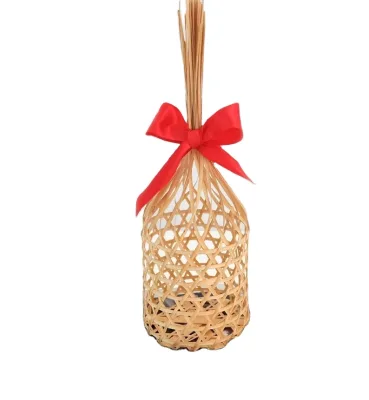
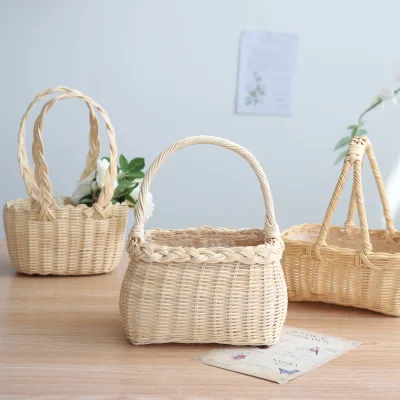
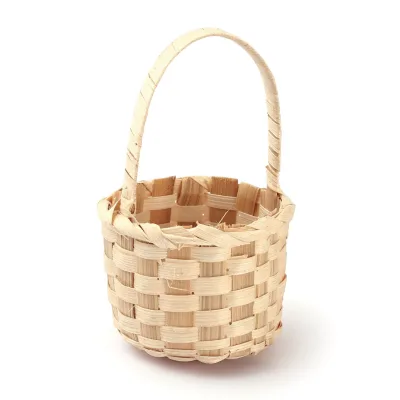


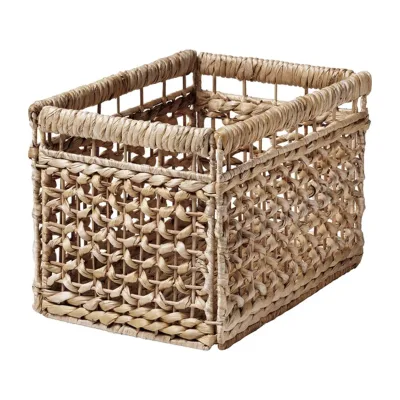
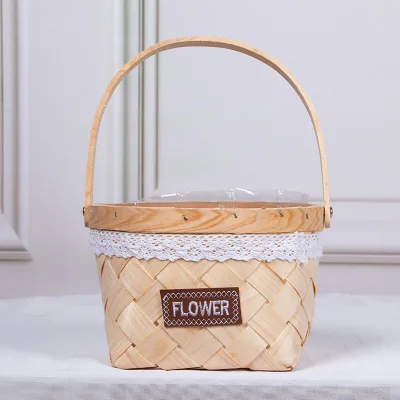

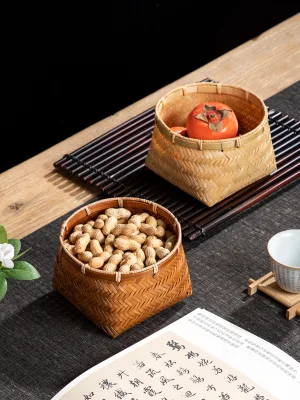


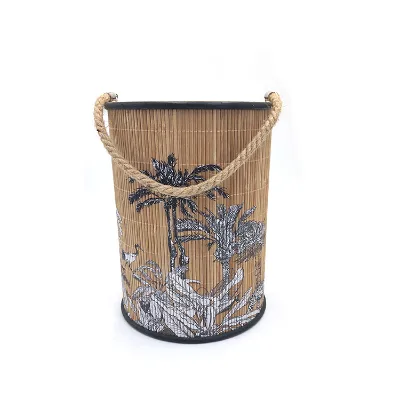
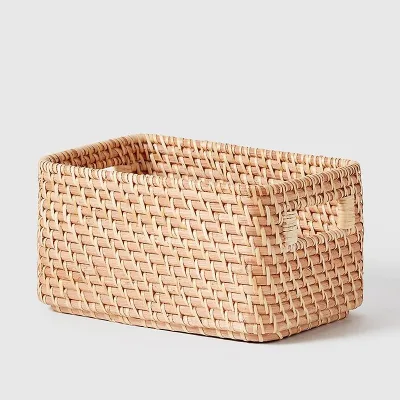


Comprehensive Sourcing Guide
Handmade Bamboo Storage Basket Sourcing Guide
Sourcing handmade bamboo storage baskets requires a nuanced understanding of material variability, artisanal production constraints, and the specific functional requirements of your inventory. Unlike mass-produced plastic or metal alternatives, bamboo products are natural fibers that exhibit inherent differences in grain, color, and texture, which can impact both aesthetic consistency and structural integrity. Buyers must navigate the trade-off between the premium appeal of handcrafted goods and the logistical challenges of maintaining uniform quality across large orders. This guide provides a structured approach to evaluating suppliers, verifying technical specifications, and managing commercial risks associated with this category.
The following sections outline the critical decision points for procurement professionals. We will examine observed market signals, technical verification steps, compliance documentation, cost structures, supplier qualification methods, and long-term quality assurance protocols. Each section is designed to help you build a robust sourcing strategy that minimizes defects, ensures regulatory compliance, and aligns with your brand’s quality standards. By focusing on evidence-based verification rather than marketing claims, you can secure reliable supply chains for handmade bamboo storage solutions.
Product Scope and Observed Listing Signals
The market for handmade bamboo storage baskets presents a diverse range of product types, from simple utility containers to decorative home accessories. Observed listings indicate a wide price range, typically spanning from low-cost items to premium artisanal pieces, reflecting variations in material grade, weaving complexity, and finishing techniques. Buyers should note that "handmade" is a broad term that can encompass everything from fully hand-woven structures to machine-assisted processes with manual finishing. It is essential to clarify the exact degree of human involvement in the production process to ensure alignment with your brand’s authenticity claims and quality expectations.
Product attributes observed in current listings include customizable designs, various color options such as natural tones or pastel shades, and specific applications ranging from general storage to home decoration. Some products feature additional materials like metal handles or plastic mesh components, which may affect durability and aesthetic cohesion. The presence of customization options suggests that many suppliers are flexible regarding dimensions, branding, and packaging. However, buyers must verify whether these customizations are truly feasible at scale or if they are limited to small-batch orders, as this can significantly impact lead times and unit costs.
Technical Specifications to Verify
Dimensional accuracy and material composition are critical technical factors that require rigorous verification. Observed specifications indicate that sizes can range from small (S) to medium, with some products offering fully customized dimensions. Buyers should request detailed technical drawings or physical samples to confirm that the basket’s internal and external dimensions meet their storage requirements. Tolerances for handmade items are typically wider than those for machine-made products, so it is crucial to establish acceptable deviation ranges for length, width, height, and weight. For instance, some listings mention dimensional tolerances of less than ±2cm or ±1mm, but these values must be validated against the specific product’s construction method.
The structural integrity of the basket depends on the quality of the bamboo fibers and the weaving technique employed. Hand-weaving techniques can vary significantly, affecting the basket’s strength, flexibility, and resistance to cracking. Buyers should inquire about the specific type of bamboo used, such as Moso or other species, and whether the material has been treated for moisture resistance or durability. Additionally, if the product includes mixed materials like metal handles or plastic components, verify the compatibility and longevity of these elements. Ensure that the inner storage space is adequately sized for your intended use, and confirm that the carrying handles are securely attached and comfortable for end-users.
Compliance and Safety Documentation
Regulatory compliance is non-negotiable for imported goods, particularly those intended for consumer use in markets like the European Union or North America. Buyers must ensure that suppliers provide relevant safety documentation, including material safety data sheets (MSDS) and test reports for chemical content, such as formaldehyde or heavy metals, if any treatments or finishes are applied. While bamboo is a natural material, the processing steps, including bleaching, dyeing, or lacquering, can introduce hazardous substances. Verify that the product meets applicable standards for food contact if the basket is intended for storing food items, or for general consumer goods if used for storage or decoration.
Certifications such as FSC (Forest Stewardship Council) or PEFC (Programme for the Endorsement of Forest Certification) can provide assurance regarding the sustainability and legal sourcing of the bamboo. Although not all suppliers may hold these certifications, requesting proof of sustainable sourcing practices can mitigate reputational and legal risks. Additionally, check for compliance with labeling requirements, including country of origin, material composition, and care instructions. Ensure that the supplier’s documentation is up-to-date and matches the specific batch of goods being shipped, as certifications can expire or be revoked if production practices change.
Cost Drivers and Commercial Terms
The cost of handmade bamboo storage baskets is influenced by several factors, including material quality, labor intensity, customization complexity, and order volume. Handmade processes are inherently more labor-intensive than machine production, leading to higher unit costs. Buyers should analyze the cost breakdown to understand how much of the price is attributed to raw materials versus labor. Customization, such as unique weaving patterns, specific colors, or branded packaging, can further increase costs. It is advisable to request detailed quotations that itemize these components to identify potential areas for cost optimization without compromising quality.
Commercial terms, including minimum order quantities (MOQs), payment terms, and lead times, vary significantly among suppliers. Observed MOQs can range from small quantities for sampling to large volumes for bulk production. Buyers should negotiate terms that align with their inventory management strategy, considering factors like storage capacity and cash flow. Lead times for handmade items are typically longer due to the manual production process, so it is crucial to plan ahead and account for potential delays. Clear communication regarding production schedules, shipping methods, and incoterms is essential to avoid misunderstandings and ensure timely delivery.
Supplier Qualification and Quality Control
Selecting the right supplier requires a thorough evaluation of their capabilities, reputation, and quality control processes. Buyers should conduct due diligence by reviewing the supplier’s production facilities, workforce skills, and past performance. Requesting references or case studies from other clients can provide insights into the supplier’s reliability and consistency. Additionally, verify the supplier’s ability to handle customization requests and their responsiveness to communication. A supplier with a strong track record in exporting to your target market is likely to have better understanding of regulatory requirements and logistical challenges.
Quality control should be integrated into every stage of the production process, from raw material inspection to final packaging. Buyers should establish clear quality standards and inspection criteria, including checks for weaving density, structural stability, surface finish, and dimensional accuracy. Consider hiring third-party inspection agencies to conduct pre-shipment inspections, especially for large orders. Implementing a sampling protocol before full production begins can help identify potential issues early and prevent costly rework. Regular audits and performance reviews can also help maintain high standards and foster a collaborative relationship with the supplier.
Long-Term Procurement Checks
Sourcing handmade bamboo storage baskets is an ongoing process that requires continuous monitoring and adaptation. Buyers should regularly review supplier performance metrics, such as on-time delivery rates, defect rates, and responsiveness to issues. Establishing a feedback loop with the supplier can help identify areas for improvement and strengthen the partnership. Additionally, stay informed about market trends, material availability, and regulatory changes that may impact sourcing decisions. Diversifying your supplier base can mitigate risks associated with single-source dependencies and provide flexibility in case of disruptions.
Long-term success in this category depends on building a resilient supply chain that balances quality, cost, and reliability. Invest in relationship management and communication to ensure alignment on expectations and goals. Consider exploring opportunities for innovation, such as new designs or sustainable practices, to keep your product offering competitive. Regularly reassess your sourcing strategy in light of changing business needs and market conditions. By maintaining a proactive and disciplined approach, you can secure a steady supply of high-quality handmade bamboo storage baskets that meet your customers’ expectations and support your brand’s growth.
FAQs
Can I customize the size and design of handmade bamboo storage baskets?
Yes, customization is available for these baskets. Buyers can request custom models and standards to fit specific needs. The products are handmade using natural bamboo and other materials like metal or plastic mesh. This allows for tailored dimensions and unique design elements to suit various storage requirements.
What materials are used in these handmade storage baskets?
The baskets primarily use natural bamboo as the main material. Some variants incorporate metal or durable hollow plastic mesh for the body. Carrying handles may be made from smooth natural bamboo wood. These materials ensure durability and an eco-friendly profile, suitable for general home decoration and storage applications.
What is the typical lead time for samples of these baskets?
The sample time is typically 3-5 days. This allows buyers to review the quality and craftsmanship before placing larger orders. The baskets are handmade, which may influence production timelines for bulk orders. Buyers should confirm specific lead times with suppliers based on order volume and customization complexity.
How are these bamboo baskets packaged for shipping?
The baskets are packaged in cartons or via palletizing. This ensures safe transport and protection during shipping. The packaging is designed to handle the dimensions of the baskets, which can range from small to medium sizes. Buyers can also request custom packaging solutions if needed for specific logistical requirements.
What are the common applications for these handmade bamboo baskets?
These baskets are suitable for general home decoration and storage. They can be used as flower pots, wall hangings, or floor storage units. The designs often feature hollow mesh for drainage or spacious layouts for organizing items. Their versatile style makes them ideal for various indoor spaces, including behind doors or on walls.
Are these baskets available in multiple colors?
Yes, the baskets are available in multiple colors. Options include light yellow, natural bamboo tones, and six soft fresh pastel shades. The multicolor selection allows buyers to choose colors that match their interior design themes. The color options are applied to the natural materials, enhancing the aesthetic appeal of the storage solutions.